
Caitlin Jones, Kristen Hecht, and Michelina Dziadzio (Florida Fish and Wildlife Conservation Commission)
As humans increasingly share space with gopher tortoises, they are likely to interact more in the lives of this species. Some interventions, including reporting illegal activity or helping a tortoise cross the road, can help. But other actions, like people moving tortoises away from their homes, can cause unintentional or intentional negative impacts. Unfortunately, such actions can lead to tortoises being unable to return home, creating a problem known in Florida as a waif tortoise.
What is a waif tortoise?
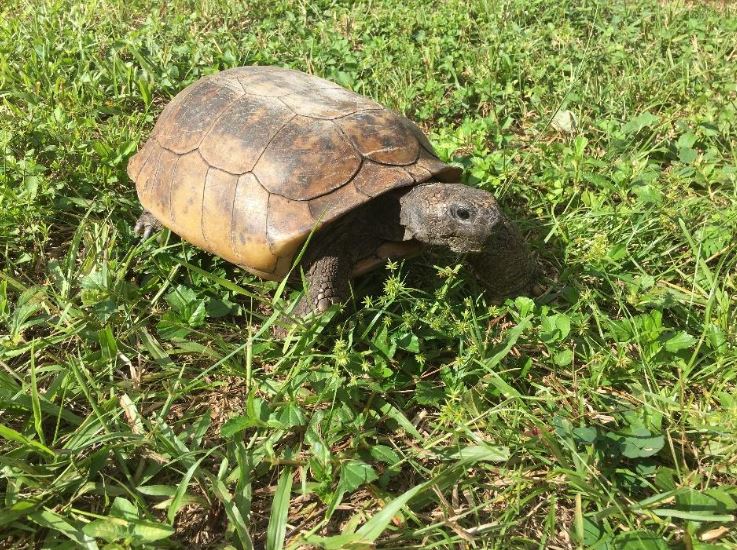
When a gopher tortoise is removed from the wild, generally from an unknown location preventing its return, and is not associated with a Florida Fish and Wildlife Conservation Commission (FWC) permitted relocation effort, the agency classifies it as a waif gopher tortoise. Common situations that result in waif gopher tortoises include tortoises being illegally moved to new locations from roadways, roadsides, natural and urbanized habitats, and people illegally keeping captive gopher tortoises.
What happens to waif tortoises?
While the FWC’s goal is to return gopher tortoises to the wild whenever possible, waif tortoises can be deemed as “non-releasable” by the FWC if they exhibit visible signs of illness, require ongoing medical care, have been exposed to disease or nonnative tortoises in captivity, or require human intervention to survive. Non-releasable waif tortoises are placed with entities or individuals who have a FWC Scientific Collecting Permit to possess and display these gopher tortoises as educational animals.
Waifs that do not exhibit health issues fall under the category of a “releasable waif tortoise”, meaning they can survive in a natural setting without human intervention. Due to their unknown origin and history, however, these tortoises cannot be released onto sites with dense, existing wild populations. One option for releasable waif tortoises identified in Florida’s Gopher Tortoise Management Plan is waif tortoise recipient sites.
Waif Recipient Sites
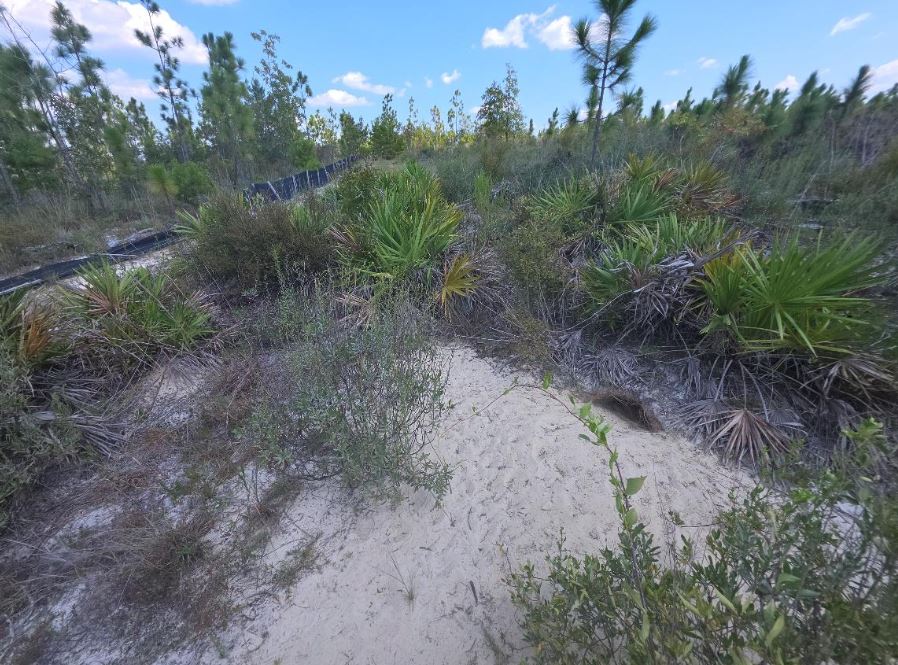
The FWC is always looking for willing public and private landowners across the state interested in establishing waif recipient sites. If you or another landowner you know are interested in supporting gopher tortoise conservation by establishing a waif site, visit the FWC’s Waif Gopher Tortoise webpage to learn more about whether your property may meet permit requirements.
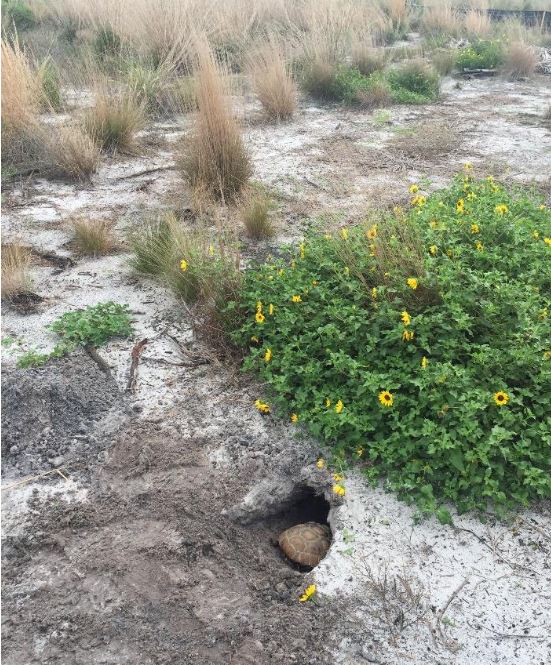
The requirements for landowners to establish a waif recipient site are less stringent than other recipient site types, as there is no monetary incentive associated with this program. Waif sites require at least five acres of contiguous, suitable gopher tortoise habitat. Permitted waif recipient sites can receive up to two tortoises per acre. These sites provide important conservation benefits by giving a place for waif tortoises to live out their life in the wild. Waif sites can also help restock gopher tortoises in areas where they have been previously depleted, providing additional homes for gopher tortoise commensal species as well.
How you can help prevent waif tortoises
Here are some tips to help prevent gopher tortoises from becoming classified as waifs:
- Do not remove tortoises from the wild if they appear healthy and suitable habitat is present. Suitable habitats include open, grassy, or vegetated areas with well-drained soils, including suburban and urban yards and lots.
- When helping a gopher tortoise – or any turtle – cross the road, make sure to always place the tortoise across the road in the direction it was traveling.
- Always note the location of injured or sick tortoises when calling the FWC or a wildlife rehabilitator.
Interested in learning more? Check out the FWC’s Gopher Tortoise Education Corner to find educational materials, additional tips on what to do if you find a tortoise, and more ways you can help conserve Florida’s tortoises.